Wet Paint Textures: 12 Seamless Digital Papers for Craft Projects
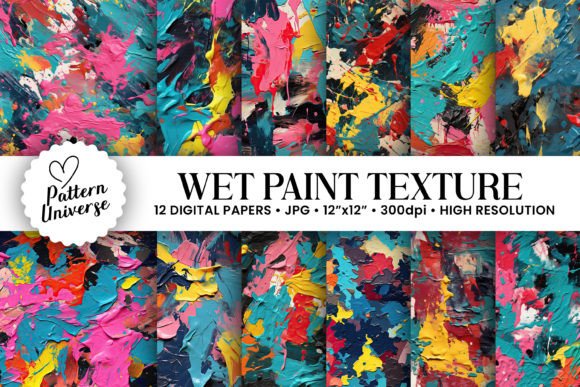
There is a specific kind of energy that comes with wet paint. It suggests progress, creativity, and a hands-on approach to design. When you bring that tactile feeling into digital assets, like the Wet Paint Texture Seamless Backgrounds collection, you bridge the gap between physical art and digital polish. These backgrounds offer a vibrant, fluid aesthetic that can transform a flat digital design into something that feels alive and textured. For designers, crafters, and small business owners, this collection provides a versatile foundation for projects ranging from packaging design to social media graphics.
The Aesthetic of Fluidity and Texture
Unlike static, uniform patterns, these wet paint textures carry a distinct personality. They are characterized by organic brushstrokes, varying opacities, and the subtle pooling effects you see when paint is still drying. This visual style adds depth and movement to your layouts. In the context of modern typography and design, texture is often the missing element that elevates a project from amateur to professional. While a clean sans serif font or a bold serif font provides structure, a textured background provides emotion and context.
The collection includes 12 distinct digital papers, each designed to be seamless. This means you can tile them or use them on large surfaces without worrying about visible edges or awkward repetition lines. For anyone working in web design or editorial design, seamless integration is crucial for maintaining a high-end look across different screen sizes and print formats.
Practical Applications for Digital and Print
The utility of these backgrounds extends far beyond simple decoration. Because the files are high-resolution (300dpi) and sized at 3600 x 3600 pixels, they are production-ready for almost any medium. Here is how different professionals can leverage this set:
- Gift Wrapping and Stationery: The primary use case is physical craft. The textures are perfect for creating unique gift wrapping paper, greeting cards, and invitations. The seamless nature ensures that when you print a large sheet for a tumbler wrap or a notebook cover, the pattern flows naturally without breaking the illusion.
- Scrapbooking and Digital Collage: For digital scrapbookers, these assets add a layer of realism that flat colors cannot achieve. They work beautifully as the "canvas" upon which you layer photos, stickers, and journaling.
- Brand Identity and Marketing: Small business owners can use these textures to create a cohesive brand identity. Imagine a bakery or an art supply store using a wet paint texture for their social media backgrounds. It instantly communicates a creative, artisanal vibe. This is particularly effective for Instagram stories or Pinterest pins where visual impact needs to be immediate.
- Logo Design Elements: While you wouldn't typically use a texture as the main typeface for a logo design, these backgrounds work well as fill patterns for logomarks or as backdrop elements in brand style guides.
Design Strategy: Pairing and Hierarchy
When using a busy, organic background like a wet paint texture, your approach to typography changes. The goal is to ensure your text remains legible while complementing the artistic nature of the background. This is where understanding visual hierarchy and font pairing becomes essential.
If your background features bold, expressive strokes, consider pairing it with a clean, geometric sans serif font for body text. The contrast between the organic texture and the structured typeface creates a pleasing balance. Alternatively, if the texture is subtle and wash-like, a classic serif font can add a touch of elegance and tradition. Avoid using overly complex script fonts or handwritten fonts directly on top of a textured background without a solid color overlay or a drop shadow, as the visual noise can make the text unreadable.
Think of the wet paint texture as the "mood" setter. It dictates the emotional tone—energetic, creative, and dynamic. Your typography choices should support that mood without competing for attention. For example, in a flyer for an art class, you might use a bold display font for the headline, but keep the details in a simple, legible weight to ensure the information is accessible.
Evaluating Fit and Commercial Use
Before integrating these assets into your workflow, it is important to evaluate the specific needs of your project. Ask yourself: Does this texture enhance the message, or does it distract from it? In packaging design, texture can make a product feel more premium and tactile. In web design, however, too much texture can slow down load times or make text difficult to read on smaller screens.
Because these are digital papers, they function as design assets that you can manipulate. You can adjust the saturation, apply blend modes, or overlay them with solid colors to create entirely new variations. This flexibility is what makes them a valuable part of a creative library. Whether you are a hobbyist making stickers or a professional designing a marketing campaign, having access to high-quality, seamless textures saves time and expands your creative possibilities.
Ultimately, the Wet Paint Texture Seamless Backgrounds collection is about adding a human touch to digital creation. It reminds us that behind every screen, there is a creative process that values texture, color, and the imperfect beauty of a brushstroke. By integrating these backgrounds thoughtfully, you can create work that resonates with viewers and stands out in a crowded visual landscape.