Peeling Wall Paint Texture Backgrounds: Gritty Authenticity for Your Projects
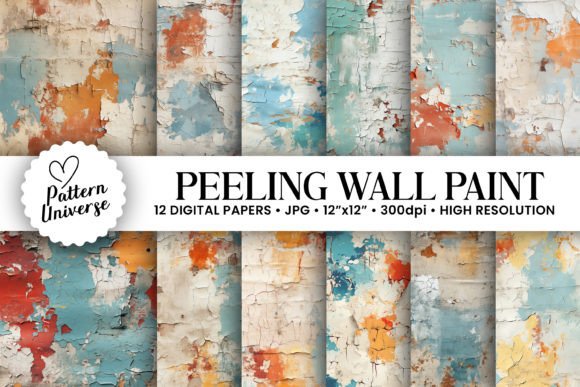
There's a certain kind of beauty in decay. It’s the beauty of a weathered barn, a sun-bleached sign, or a city wall that has stories to tell. This is the essence captured in Peeling Wall Paint Texture Backgrounds. These aren't just abstract patterns; they are digital artifacts of time and history. Imagine layers of old paint cracking and curling away to reveal the surface beneath—each flake and chip a testament to a life lived. The visual character is raw, organic, and deeply authentic. It possesses a rustic, industrial, or even urban chic personality, depending on the color palette and the extent of the decay. This style speaks to a desire for genuineness in a world often saturated with slick, perfect, and sometimes sterile digital design. It’s a background that doesn’t just sit there; it adds a layer of narrative and tactile depth to any project it graces.
Where This Texture Creates Instant Impact
The applications for a texture this rich are surprisingly broad, moving far beyond niche craft projects. For brand identity, a business with an artisanal, vintage, or rugged ethos—think a craft brewery, a heritage clothing line, or a specialty coffee roaster—can use these textures to ground their visual language. It communicates a sense of history, craftsmanship, and durability that polished gradients simply cannot. In editorial design, these backgrounds are perfect for magazine features on architecture, urban exploration, or sustainable living, setting a powerful mood before a single word of the headline is read.
For digital creators and web design, the texture works beautifully as a subtle, full-screen background or as an accent panel, adding visual interest without overwhelming the content. It’s a fantastic choice for portfolio sites for artists, photographers, or tattoo parlors. In social media graphics, it cuts through the noise of generic templates. Use it behind a quote, a product shot, or a podcast announcement to create a memorable, shareable image that feels substantial and considered. Of course, for physical packaging design and gift wrapping, it’s a standout choice, offering a tactile preview of the product's character—ideal for natural soils, gourmet spices, or hand-poured candles.
The Practical Craft: Using These Digital Papers Effectively
Working with a premium font or asset like this requires a thoughtful approach to maintain its integrity. The key is balance. Because the texture itself is visually complex and high in detail, it demands a strong counterpoint in your typography and layout. This is where font pairing becomes critical. You wouldn’t place a delicate, highly ornate script font on top of a busy peeling paint texture; the letters would get lost. Instead, consider pairing it with clean, bold sans serif font families or sturdy serif font styles with strong weights. The contrast creates a clear visual hierarchy, allowing your message to remain legible and impactful while the texture provides the atmospheric foundation.
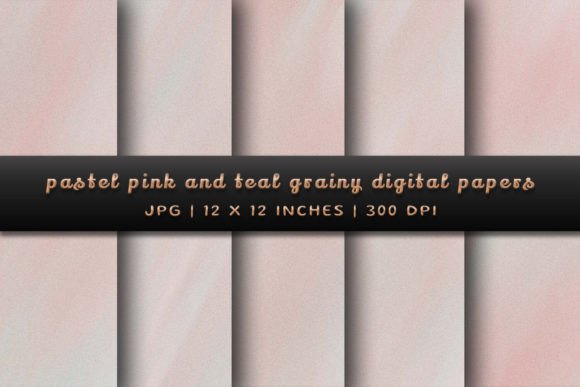
When you evaluate the 12 included high-resolution files, consider the project’s scale. The 3600 x 3600 pixel, 300dpi specifications are ideal for large-format printing, ensuring no pixelation on posters, banners, or substantial product labels. For digital use, you can comfortably crop into the texture for a close-up, gritty detail without losing quality. Test different color overlays or blend modes in your design software to modify the mood—a sepia tint can enhance the vintage feel, while a stark black and white conversion can push it into more modern, graphic territory. Always remember the commercial license; it’s designed to give you the freedom to use these design assets confidently across client work and personal products for sale, making it a versatile tool in your creative arsenal.
Creating Cohesion and Professional Recognition
Consistency is a hallmark of professional design. By selecting one or two complementary textures from the collection, you can build a recognizable visual system across multiple touchpoints. A brand could use a lighter, more subtly cracked texture for website backgrounds and a heavier, more distressed version for product tags and thank you cards. This repetition of a core visual element strengthens brand recognition in a subtle yet powerful way. It’s not about using the same texture everywhere, but about using a family of related textures to create a cohesive world.
This approach extends to audience engagement. The right background texture can evoke specific emotions and associations. The peeling paint motif often triggers a sense of nostalgia, curiosity, or appreciation for the handmade. For a content creator or blogger, using these backgrounds can help define a distinct aesthetic that resonates with a like-minded audience, fostering a deeper connection than a stock photo ever could. It’s a strategic choice that moves your work from simply being seen to being felt. In a crowded marketplace, that emotional resonance is what transforms casual viewers into loyal followers and customers. It’s a testament to how a single, well-chosen creative font or texture can become a cornerstone of a compelling and professional brand identity.