The Organic Texture of Wooden Tree Bark Backgrounds
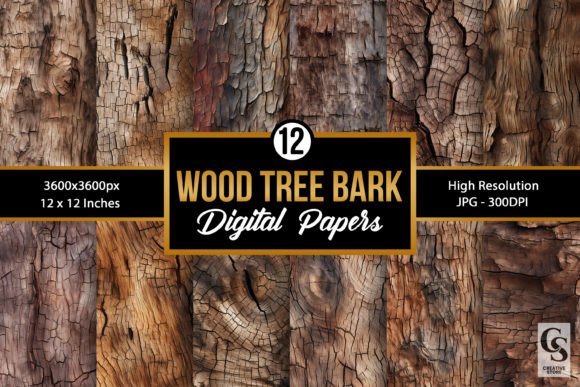
In a digital landscape often dominated by flat colors and perfect vectors, there is a profound appeal in designs that feel grounded, tactile, and real. This is precisely the allure of Wooden Tree Bark Backgrounds. Far from being a simple image, this collection of 12 seamless patterns captures the intricate, rugged beauty of nature. It offers a visual language of authenticity and warmth that can transform a mundane project into something with depth and character. For designers, entrepreneurs, and crafters alike, these textures provide a direct connection to the organic world, making them a powerful tool in your creative arsenal.
Understanding the Visual Character
Each of the 12 Wooden Tree Bark Backgrounds is a study in natural detail. The patterns showcase the subtle grooves, knots, and fibrous lines that define the surface of a tree. The color palettes range from the deep, rich browns of oak and mahogany to the lighter, ashen grays of birch or weathered driftwood. This isn't a uniform, repeating stamp; it's a high-resolution capture of organic irregularity. The visual personality is one of strength, resilience, and timelessness. It carries a rustic elegance that feels both sophisticated and approachable. The style avoids a kitschy, cartoonish look, instead presenting a realistic, almost photographic texture that adds instant credibility and a sense of quality to any project it graces.
Practical Applications for Modern Creators
The true value of these design assets lies in their versatility. Their high-resolution 300dpi, 3600x3600 pixel files make them suitable for both digital and print projects without loss of quality. For brand identity work, a subtle bark texture can form the foundation of a logo or packaging design for businesses in the outdoor, artisanal, or wellness spaces—think craft breweries, organic skincare lines, or woodworking studios. The texture immediately communicates a brand story of craftsmanship and natural ingredients.
In editorial design and publishing, these backgrounds excel. Use them for the cover of a nature journal, a cookbook focusing on foraging, or as a chapter title page in a book about environmental history. For web design and social media graphics, a carefully chosen bark pattern can serve as a compelling hero image background or a consistent visual thread for a content creator's Instagram grid, establishing a recognizable and earthy aesthetic. The applications extend seamlessly into the physical world: gift wrapping for a rustic-chic present, elegant greeting cards, sophisticated planner covers, or unique invitation suites for a woodland wedding.
Integrating Texture into Your Design Workflow
Working with a texture-heavy background like this requires a thoughtful approach to maintain readability and visual hierarchy. The key is balance. If using a detailed bark pattern as a full background, overlay text on a semi-transparent color block or within a clean, simple shape. This creates a safe zone where your message remains legible against the complex texture. Pairing is crucial. The rugged, organic feel of tree bark creates a stunning contrast with clean, geometric sans serif fonts for a modern look. Alternatively, it harmonizes beautifully with classic serif fonts or elegant script fonts for a more traditional, literary feel.
When evaluating the set for a project, don't just look at one pattern in isolation. Consider the collection as a whole. Having 12 variations allows you to maintain a consistent textural theme across different components of a campaign—using one pattern for a website header and a complementary one for a printed brochure—while avoiding monotony. Always test your chosen font pairing directly on the background at the intended size. Zoom in and out to check that letterforms remain distinct. Remember, the goal is for the texture to support your content, not compete with it.
Beyond Aesthetics: The Strategic Use of Natural Textures
Choosing Wooden Tree Bark Backgrounds is more than an aesthetic decision; it's a strategic one. In marketing and branding, textures can evoke specific emotions and associations. Bark implies growth, stability, and a connection to the environment. For a small business owner, using this texture in their packaging design or stationery can differentiate their product on a shelf crowded with glossy, synthetic-looking competitors. It tells a story of thoughtfulness and quality materials.
For content creators and bloggers, these backgrounds offer a way to create a cohesive and immersive visual experience. A travel blogger documenting a forest hike, a food stylist shooting a farm-to-table meal, or a DIY enthusiast showcasing a woodcraft project can use these patterns to extend their theme beyond the primary subject into every design element. The included digital papers are perfect for scrapbook decorations, notebook covers, and tumbler wraps, allowing for a seamless personal brand expression across multiple mediums. Ultimately, these patterns are a toolkit for adding a layer of authentic, tactile personality to your work, helping you connect with an audience that values realness and craftsmanship in an increasingly digital world.