Unlocking the Cosmos: Using Night Sky Backgrounds in Your Projects
There is a specific kind of silence that falls over a landscape when the sun dips below the horizon, replaced by the vast, deep blues and purples of twilight. It is a moment of transition, mystery, and infinite possibility. As creatives, capturing that specific atmospheric feeling—the weight and wonder of the cosmos—is often the missing ingredient in our work. We have all stared at a blank canvas in Photoshop or Illustrator, needing that perfect backdrop to anchor our typography or showcase a product, only to find that solid colors feel flat and standard stock photos feel cluttered. This is where the utility of high-quality design assets becomes undeniable.
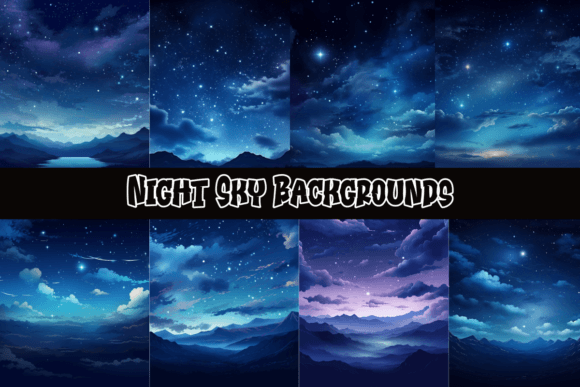
Introducing our enchanting Night Sky Backgrounds collection. This is not merely a folder of random space images; it is a curated set of tools designed to transport your audience to a celestial realm. Within this collection, you will find a celestial tapestry of starry nights, vibrant galaxies, and awe-inspiring constellations. Whether you are a graphic designer piecing together a complex layout, an illustrator looking for atmospheric depth, or a brand strategist trying to evoke a sense of wonder, these backgrounds offer a canvas as vast as the universe itself. Let’s explore how to integrate these assets effectively into your professional workflow.
The Visual Personality of the Cosmos
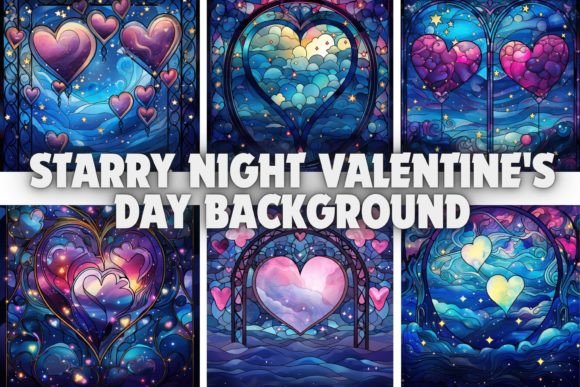
When we talk about the "personality" of a design asset, we are really talking about the emotional response it triggers. The Night Sky Backgrounds collection is defined by a duality of calm and energy. The visual characteristics are rich: deep, saturated indigos and cyans bleed into the absolute black of space, punctuated by the sharp, high-contrast white of distant stars. You will notice textures that mimic the atmospheric haze of a nebula—soft, ethereal clouds of color that provide depth without demanding attention.
Unlike a chaotic street photography background, the night sky possesses a natural negative space. This is crucial for modern typography. If you are working with a bold display font or a delicate serif font, you need a background that doesn't compete with the letterforms. The night sky provides that necessary contrast. The "noise" is organic, not digital, which gives the final product a timeless, premium feel. It avoids the sterile look of digital gradients, offering instead a texture that feels lived-in and real, making it ideal for projects that require a touch of human warmth alongside high-tech precision.
Strategic Applications for Brand and Marketing
For the entrepreneur or marketer, choosing the right background is a strategic decision, not just an aesthetic one. The context in which you use these backgrounds dictates the message you send. Here is how you can leverage the Night Sky Backgrounds across different mediums to influence brand perception and audience engagement.
Digital Presence and Web Design
In web design, a hero section needs to grab attention immediately. A full-width night sky background can create an immersive experience for the visitor. However, readability is paramount here. If you overlay a sans serif font in white, ensure the background image is darkened or "knocked back" slightly so the text remains legible. This style works exceptionally well for tech startups, astrology apps, wellness brands, or any business that wants to project an image of being forward-thinking and visionary. It suggests that your brand operates on a higher level, looking toward the future.
Social Media and Content Creation
For content creators and bloggers, consistency is the currency of growth. Using a cohesive set of backgrounds helps build brand recognition. Imagine a weekly Instagram series or a YouTube thumbnail template that utilizes these starry textures. It instantly signals to your followers that the content is yours before they even read the title. The backgrounds are particularly effective for quote graphics. Placing a powerful statement in a script font or handwritten font over a galaxy creates a mood of inspiration and intimacy that solid colors simply cannot match.
Print and Editorial Design
In editorial design and packaging design, texture translates to value. Think about a book cover for a sci-fi novel, a menu for a high-end evening event, or packaging for a luxury candle line. The night sky implies a premium product. When printed on physical media, the gradients and star details add a tactile quality to the visual experience. It turns a flat piece of paper into a window into another world. For small business owners creating physical goods, this can elevate the perceived value of your product significantly.
Pairing Typography with Celestial Textures
One of the most common questions I hear from junior designers is how to handle typography over busy or textured backgrounds. The Night Sky Backgrounds are versatile, but they require thoughtful font pairing to shine. Because the backgrounds are dark and often cool-toned, they act as a perfect foil for high-contrast typefaces.
If you are working on a logo design or a headline, consider using a modern typography style—perhaps a geometric sans serif. The clean lines of the letters will cut through the organic chaos of the nebulae. Alternatively, if you are aiming for a more romantic or whimsical feel, a classic serif font with high-contrast thick and thin strokes looks stunning against the sharp pinpricks of stars. The key is to avoid fonts that are too thin or light, as they can get lost in the texture. You want your text to pop, creating a clear visual hierarchy where the background supports the message rather than obscuring it.
Practical Guidance for Selection and Licensing
When you are ready to download and deploy these assets, a systematic approach will save you time and ensure a professional result. Treat your background selection process with the same rigor you would apply to choosing a typeface.
- Evaluate the Density: Not all backgrounds in the collection are created equal. Some feature sparse, minimalist star fields, while others are dense with nebula clouds. Match the density of the background to the amount of text you need to place. Heavy text blocks need simpler backgrounds.
- Test Your Pairings: Before finalizing a design, drop your specific typography onto the image. Check for legibility issues. Does the "o" in your logo disappear into a bright star? Adjust the kerning or add a subtle drop shadow to separate the text from the image.
- Check the Color Harmony: While the collection is predominantly blue and purple, look for warm tones (oranges and pinks in the nebulae) that might complement your brand colors. You can also color-grade the background slightly in post-production to match your exact brand identity palette.
- Understand the License: Most high-quality design assets come with specific usage rights. Ensure that your license covers commercial font usage if you are selling the end product, and check if the background can be used for physical merchandise if you are a crafter or product-based business.
Ultimately, the goal of using these backgrounds is to solve visual problems. They provide the atmosphere that your clients or audience crave. By combining the mystery of the Night Sky Backgrounds