Elevate Your Projects with Dull Green and Grey Grainy Backgrounds
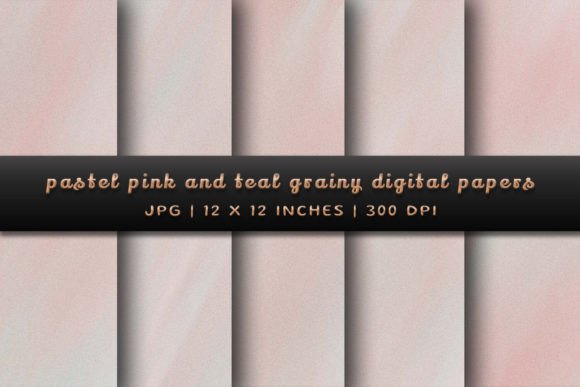
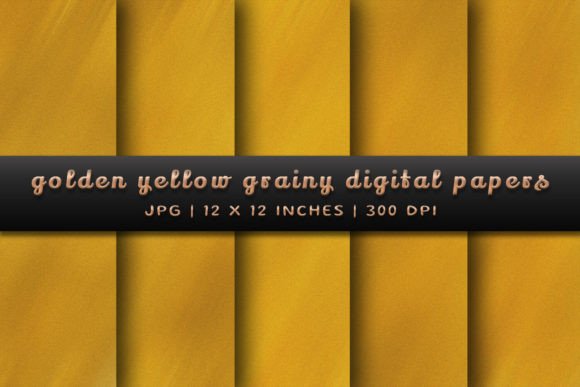
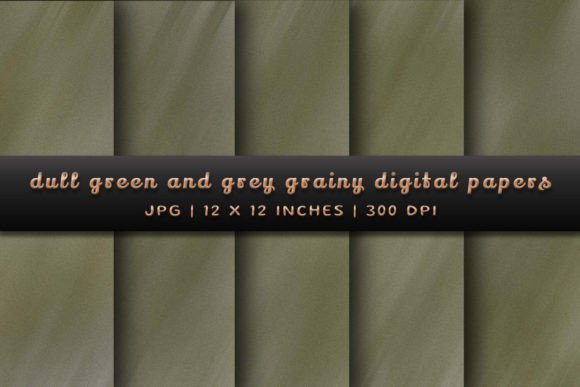
There’s a quiet power in textures that don’t shout for attention. Dull Green and Grey Grainy Backgrounds offer exactly that—a subtle, sophisticated foundation for designs that need depth without distraction. These aren’t just flat color fields; they carry a tactile, almost organic quality that mimics natural materials like aged stone, weathered paper, or soft concrete. The muted green and grey palette feels grounded and versatile, making it a reliable choice for projects that aim for understated elegance.
The Personality of a Grainy Texture
What makes these backgrounds work so well is their ability to add visual interest while maintaining a neutral presence. The grain isn’t uniform—it varies in density and spread, creating a dynamic surface that catches the eye in a gentle way. This texture can soften digital sharpness, giving designs a more handcrafted, authentic feel. Whether used as a full background or as a layered element, it introduces a sense of warmth and realism that pure digital gradients often lack.
From a design perspective, such textures are incredibly useful for establishing mood. A dull green grain can evoke feelings of calm, stability, and connection to nature, while grey offers balance and professionalism. Together, they create a harmonious base that supports rather than competes with foreground elements like typography, imagery, or branding marks.
Where These Backgrounds Truly Shine
Think about projects where texture enhances the message. For brand identity work, these backgrounds can form the backbone of stationery, packaging, or digital assets, lending a consistent, tactile quality across touchpoints. In editorial design, they can set the tone for magazine layouts, book covers, or report backgrounds, adding depth without overwhelming the content. For web design, they work beautifully as hero sections, card backgrounds, or subtle overlays that improve visual hierarchy.
Social media graphics, particularly those for brands in wellness, sustainability, artisanal goods, or professional services, benefit from the organic feel of these textures. They help posts stand out in crowded feeds while maintaining a cohesive look. Small business owners can use them for product mockups, thank-you cards, or promotional materials, instantly elevating the perceived quality of their offerings.
Practical Applications for Creators and Businesses
For content creators and bloggers, these backgrounds can transform simple quote graphics, podcast cover art, or newsletter headers. The grain adds a layer of visual sophistication that makes designs feel more polished and intentional. Marketers can use them in presentation slides, email banners, or infographic backgrounds to create a unified visual language that feels both professional and approachable.
Crafters and hobbyists will find them useful for digital scrapbooking, printable art, or custom invitations. The high-resolution 12x12 inch format at 300 DPI ensures crisp results for both screen and print, making them ideal for sublimation projects or large-format prints. The versatility of the color palette means they can adapt to seasonal themes or specific color schemes with ease.
Integrating Texture into Your Design Workflow
When working with textured backgrounds like these, it’s important to consider how they interact with other design elements. Typography is key—pair these backgrounds with clean, legible sans serif fonts for a modern look, or use a refined serif font to enhance the classic feel. Avoid overly ornate or script fonts unless the texture is very subtle, as readability can suffer.
For logo design, these textures can serve as a backdrop for the main mark, but ensure the logo itself remains clear and scalable. In packaging design, they can add a tactile dimension that suggests quality and craftsmanship. When used in web design, test the backgrounds at various screen sizes to ensure the texture doesn’t become distracting or cause performance issues.
Choosing and Testing Your Design Assets
Before committing to these backgrounds, evaluate your project’s needs. Is the goal to create a serene, nature-inspired mood? Or a professional, corporate feel? The dull green leans more toward the organic, while the grey is more neutral and corporate. Consider your brand’s existing color palette—these backgrounds should complement, not clash.
Test font pairings carefully. Place your primary typeface over the background and check readability at different sizes. Add your brand colors and see how they interact with the grain. Sometimes, a slight adjustment in opacity or a subtle overlay can help foreground elements pop without losing the texture’s character.
Remember, these are premium design assets meant to save you time and enhance your creative output. The included ZIP file contains high-quality JPGs, so ensure your software can handle them efficiently. For commercial use, always verify the licensing terms to ensure they cover your intended application, whether for client work, products for sale, or personal projects.
Final Thoughts on Using Textured Foundations
In a world of flat, digital perfection, textures like Dull Green and Grey Grainy Backgrounds offer a welcome respite. They remind us that design can have depth, warmth, and a touch of the handmade. By incorporating them thoughtfully, you can create visuals that feel more engaging, more human, and ultimately more memorable. Whether you’re building a brand from scratch or refreshing an existing one, these backgrounds provide a versatile tool to add that extra layer of sophistication to your work.