Diving Deeper: The Strategic Edge of 3D Coral Backgrounds
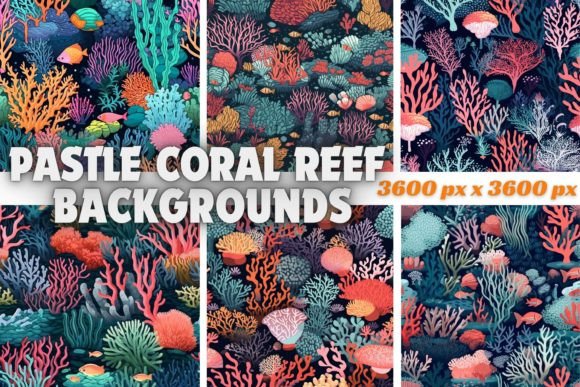
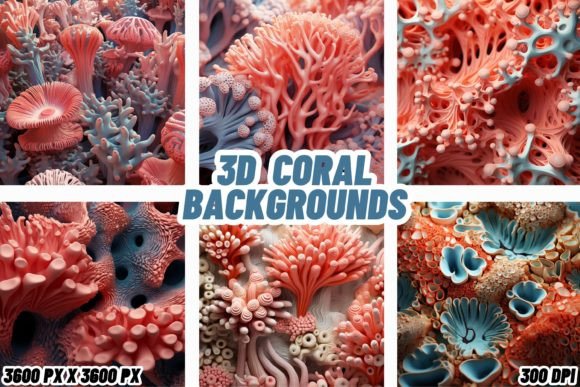
In the visual landscape of 2024, flat design is taking a backseat to immersive, three-dimensional experiences. For creative professionals—from graphic designers to brand strategists—the challenge isn't just finding an image; it's finding a design asset that conveys depth, texture, and emotion. This is where 3D Coral Backgrounds come into play. These aren't your standard stock photos; they are hyper-realistic, computer-generated environments that mimic the intricate geometry and vibrant color palette of the ocean floor. Think of them as the "serif font" of the background world—classic, detailed, and rich with personality. They offer a tactile quality that can transform a flat interface into a dynamic visual narrative.
The Aesthetic Appeal: More Than Just "Ocean Vibes"
When we talk about the visual characteristics of these backgrounds, we are discussing a specific subset of modern typography and imagery philosophy. Just as a premium font has kerning and weight variations that give it voice, 3D coral formations have "visual weight." The textures range from the rough, calcium carbonate feel of brain coral to the soft, swaying motion of sea anemones. This variety allows for a unique style often described as "Organic Futurism." It blends the natural world with high-fidelity digital rendering.
The personality of these backgrounds is undeniably energetic yet calming. The color theory behind coral reefs—vivid teals contrasting with sunset oranges and deep purples—naturally draws the eye without causing visual fatigue. For a brand identity project, this style communicates innovation and depth. It suggests that a brand is grounded (like the reef structure) but also fluid and adaptable (like the water surrounding it). Unlike generic gradients, these backgrounds provide a complex backdrop that adds a layer of sophistication to any digital display or social media graphic.
Strategic Applications for Creative Professionals
Understanding where to deploy 3D Coral Backgrounds is key to maximizing their impact. These assets are incredibly versatile, functioning much like a display font—best used where they can command attention and set the mood.
- Virtual Meetings and Webinars: In the era of remote work, your background is part of your brand identity. A crisp, high-definition coral reef background projects professionalism while breaking the monotony of home office walls. It serves as a conversation starter and elevates the perceived value of the content being presented.
- Website Hero Sections: For businesses in wellness, travel, tech, or creative industries, using a 3D coral background as a hero image can instantly reduce bounce rates. It creates an immersive entry point. When overlaid with a clean sans serif font, the contrast between the organic shapes and geometric text creates a stunning visual hierarchy.
- Editorial Design and Publishing: Bloggers and digital publishers can use these backgrounds to break up long blocks of text. Imagine a feature article on sustainability or innovation; a coral background acts as a thematic separator that keeps the reader engaged without the need for excessive illustration.
- Product Packaging and Mockups: For physical products, especially in the beauty or eco-friendly sector, a 3D coral texture can add a tactile feel to packaging design. It suggests natural ingredients and a premium price point, bridging the gap between the physical product and its digital marketing.
Technical Considerations: Readability and Hierarchy
As with any complex design asset, there are practical rules to follow to ensure the background enhances rather than hinders your message. The primary concern is readability. Because 3D coral reefs are visually "busy" with intricate details, they can overwhelm text if not handled correctly.
First, consider your typography. When pairing text with these backgrounds, a bold display font or a heavy weight sans serif font usually works best. Thin, light-weight script fonts or delicate handwritten fonts tend to get lost in the texture of the coral. If you must use a lighter font, place it over the least detailed area of the image or use a semi-transparent overlay to mute the background details slightly.
Second, focus on visual hierarchy. Use the vibrant colors of the coral to guide the viewer's eye. If the background features a bright orange fan coral on the left, place your Call to Action (CTA) or headline on the right where the water is calmer and darker. This utilizes the natural contrast of the image to drive user behavior. This is a technique often used in web design to manage user flow without relying solely on UI elements.
Evaluating Quality and Licensing
Not all 3D renders are created equal. When sourcing 3D Coral Backgrounds, look for "Crystal-clear high-resolution visuals." Low-resolution textures can look muddy and pixelated on Retina screens, instantly cheapening your logo design or layout. You want images that maintain their integrity even when zoomed in or cropped.
From a professional standpoint, licensing is non-negotiable. Always ensure the assets are cleared for commercial use. Whether you are a freelancer creating a website for a client or an entrepreneur designing your own packaging design, you need the legal right to use the image. Treat these backgrounds as you would a licensed premium font—they are intellectual property that adds value to your work.
Finally, think about versatility. A good set of backgrounds will offer variations in lighting and angle. Some might be bright and airy, suitable for a summer campaign, while others might be moody and deep, perfect for a luxury tech brand. By curating a library of these high-quality 3D Coral Backgrounds, you equip yourself with a powerful tool to evoke emotion, tell a story, and captivate your audience in the digital depths.